
Nutrition & Fuel 5 min readDifficulty: beginner
Gut-Brain Axis: How Food Dictates Your Mood
Have you ever experienced a 'gut feeling'? It turns out that your gut and brain are deeply connected through the gut-brain axis. In this comprehensive guide, we explore how the microbiome influences your neurotransmitters, why the food you consume dictates your mood, and how you can optimize your diet for better mental clarity and emotional resilience.
By WelliQo Editorial Team
If you have ever felt "butterflies" in your stomach before a big presentation or experienced a sudden loss of appetite during a highly stressful event, you have already experienced the gut-brain axis in action. For decades, modern medicine treated the human brain and the digestive system as completely separate, independent entities. The brain was considered the supreme command center, while the gut was viewed as a simple mechanical processing plant for extracting nutrients from food. However, a wave of recent scientific discoveries has completely transformed our understanding of this relationship, revealing a complex, bidirectional communication network known as the gut-brain axis.
This biological connection is so profound that neuroscientists and gastroenterologists often refer to the enteric nervous system—the vast network of millions of neurons lining your entire gastrointestinal tract—as the "second brain." But this second brain doesn't just manage the mechanics of digestion. It constantly sends real-time signals back to your primary brain, influencing everything from your daily mood and acute stress levels to your long-term cognitive health and mental clarity. In other words, what you put on your plate doesn't just fuel your physical body and muscles; it directly dictates how you feel, think, and process complex emotions on a daily basis.
Understanding this intricate connection is arguably one of the most powerful and accessible tools you have for taking control of your mental and physical well-being. By learning how to eat strategically to support your gut microbiome, you can naturally stabilize your mood, enhance your daily focus, and build robust emotional resilience from the inside out.
Key Takeaways
- The Second Brain: Your gut contains millions of neurons and communicates constantly with your central nervous system via the vagus nerve.
- Neurotransmitter Production: Up to 90% of your body's serotonin—the crucial "feel-good" hormone—is produced directly in the digestive tract.
- Inflammation is the Enemy: Diets high in processed foods disrupt the microbiome, leading to systemic neuroinflammation that negatively impacts your mood.
- Fiber is Fuel: Prebiotic dietary fibers are essential for feeding the beneficial bacteria that keep the entire gut-brain axis functioning optimally.
The Anatomy of the Gut-Brain Connection
To truly grasp how food dictates your mood, we first need to understand the underlying physical and chemical pathways that link your digestive tract and your brain. These two systems are inextricably connected in three primary ways: physically through nerves, chemically through hormones and neurotransmitters, and immunologically through the inflammatory response.
The Vagus Nerve Information Highway
The physical connection between your gut and brain is primarily maintained and regulated by the vagus nerve. This is the longest and most complex of the cranial nerves, extending all the way from the brainstem down into the abdomen, touching your heart, lungs, and digestive tract along the way. You can think of the vagus nerve as a massive, high-speed fiber-optic cable transmitting enormous amounts of biological data back and forth every second.
Interestingly, the communication traffic isn't equal. Research shows that approximately 80 to 90 percent of the nerve fibers in the vagus nerve carry information from the gut to the brain, rather than the other way around. Your brain is constantly monitoring the state of your microbiome and digestive tract to determine how it should respond to the environment. If your gut is inflamed, unbalanced, or lacking key nutrients, your brain receives continuous distress signals, which can rapidly manifest as feelings of anxiety, persistent brain fog, or low, depressive moods.
Chemical Messengers: Neurotransmitters in the Gut
The second major connection is chemical. We typically associate neurotransmitters—the vital chemical messengers that regulate our mood, motivation, and cognition—exclusively with the brain. However, the gut and its trillions of resident microbes produce many of these exact same chemicals in staggering quantities.
Take serotonin, for example. Often dubbed the "happiness hormone," serotonin is absolutely critical for regulating mood, sleep cycles, and appetite. Astonishingly, an estimated 90 percent of your body's serotonin is manufactured by cells in the digestive tract, not in the brain itself. The gut also produces other vital neurotransmitters, including dopamine (responsible for drive, motivation, and reward) and Gamma-aminobutyric acid or GABA (which helps to calm the nervous system and reduce acute anxiety). When your gut microbiome is unhealthy or compromised by a poor diet, the production of these essential mood-regulating chemicals can plummet dramatically.
Coach's Tip
If you want to actively support your body's natural serotonin and dopamine production, focus on eating a highly diverse array of whole plant foods. The wider the variety of plants you eat, the more diverse and robust your microbiome will become, naturally leading to better neurotransmitter balance.
The Crucial Role of the Microbiome
Your gut is home to trillions of living microorganisms, including various strains of bacteria, viruses, and fungi, collectively known as the gut microbiome. Think of this microbiome as a bustling, microscopic ecosystem. When the ecosystem is heavily populated by helpful, symbiotic species (beneficial bacteria), everything runs smoothly and efficiently. But when bad actors (pathogenic bacteria and yeast) are allowed to take over and multiply, physiological chaos ensues.
The delicate balance of these microorganisms is heavily influenced by your daily diet. The food you eat quite literally determines which populations of bacteria will thrive and multiply, and which ones will starve and die off.
How Processed Foods Sabotage Your Mood
When you consume a modern diet that is high in ultra-processed foods, refined sugars, artificial sweeteners, and unhealthy trans fats, you are actively feeding the harmful, pathogenic bacteria in your gut. As these bad bacteria proliferate, they can cause significant physical damage to the delicate intestinal lining, leading to a problematic condition known as increased intestinal permeability, or "leaky gut."
When the gut lining is compromised, environmental toxins, undigested food particles, and harmful bacterial byproducts can "leak" through the barrier and enter the bloodstream. Your immune system immediately recognizes these foreign invaders and launches a defensive attack, resulting in chronic, systemic inflammation.
Here is where the gut-brain connection becomes critical for mental health: systemic inflammation doesn't just stay in the body. Inflammatory markers, such as inflammatory cytokines, can cross the blood-brain barrier. Neuroinflammation—which is inflammation occurring inside the brain—has been strongly and repeatedly linked to severe mood disorders, chronic fatigue, and cognitive decline over time. By eating a highly processed diet, you are inadvertently setting off an inflammatory cascade that directly impairs your mental well-being and cognitive sharpness. This is why optimizing your sleep for recovery and eating anti-inflammatory whole foods are paramount to reducing overall systemic inflammation.
The Power of Whole Foods and Fermentable Fiber
On the flip side, eating a diet rich in natural, whole foods, particularly fermentable dietary fiber, promotes a flourishing, diverse, and protective microbiome. The human body actually lacks the enzymes needed to digest dietary fiber on its own. Instead, this fiber travels intact all the way down to the large intestine, where your beneficial bacteria feast on it. This metabolic process is called bacterial fermentation.
When your gut microbes ferment dietary fiber, they produce magical, health-promoting byproducts called short-chain fatty acids (SCFAs), such as butyrate, propionate, and acetate. Butyrate, in particular, is a physiological superstar. It provides essential energy for the cells lining your colon, helps to strengthen and repair the gut barrier (preventing leaky gut), and exerts potent anti-inflammatory effects throughout the entire body—including the brain. High levels of SCFAs are consistently associated with improved daily mood, better psychological stress resilience, and sharper cognitive function.
How to Eat for a Happier, Healthier Brain
Now that we understand the complex science behind the axis, how do we practically put this into action? Optimizing your gut-brain axis doesn't require following a highly restrictive, miserable diet. Instead, it is all about adding in the right kinds of dense nutritional fuel to support your microscopic allies.
1. Prioritize Prebiotic Fibers
Prebiotics are specific types of dietary fiber that selectively feed the good bacteria in your gut. They act as the high-quality fertilizer for your microbiome garden. To substantially increase your prebiotic intake, make an effort to incorporate plenty of:
- Garlic, onions, and leeks (ideally raw or lightly cooked)
- Asparagus and artichokes
- Bananas (especially when slightly green and firm)
- Oats and barley
- Apples (with the skin on) and flaxseeds
2. Embrace Probiotics (Fermented Foods)
While prebiotics feed the beneficial bacteria you already possess, probiotics are the live, beneficial bacteria themselves. Consuming probiotic-rich foods regularly introduces new, helpful microbes to your gut ecosystem, increasing overall diversity. Try to include at least a small serving of natural fermented foods in your daily routine:
- Yogurt and kefir (always look for "live, active cultures" without added sugar)
- Raw sauerkraut and kimchi (found in the refrigerated section)
- Kombucha (watch out for high sugar content)
- Miso paste and tempeh
3. Eat the Rainbow for Polyphenols
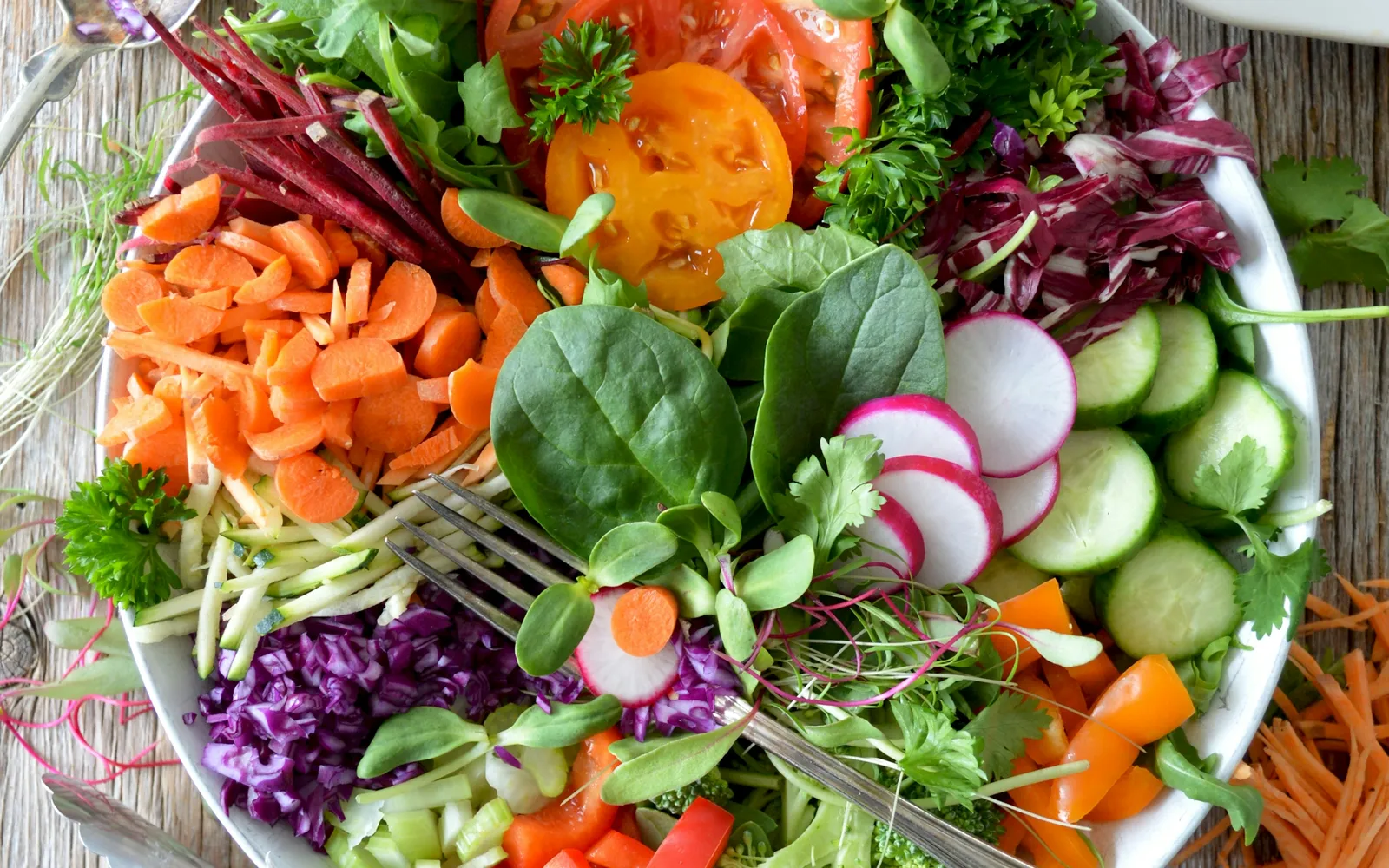
Diversity is the absolute key to a resilient, healthy microbiome. Different strains of bacteria prefer different types of plant fibers and polyphenols (the potent antioxidant compounds that give plants their vibrant, rich colors). Make a conscious effort to eat a wide variety of colorful fruits, vegetables, nuts, seeds, and legumes every single week. Leading gut researchers often recommend aiming for 30 different, distinct plant foods per week to achieve optimal gut health and microbial diversity.
4. Optimize Omega-3 Fatty Acids
Omega-3 fatty acids, found abundantly in fatty fish like salmon, mackerel, and sardines, as well as in walnuts and chia seeds, are powerful anti-inflammatory agents. They help to calm inflammation in the gut while simultaneously providing the crucial building blocks needed for healthy brain tissue. A diet high in Omega-3s has been proven to support a healthy microbiome and improve depressive symptoms.
5. Manage Psychological Stress
Remember that the gut-brain axis is completely bidirectional. Just as a poor diet can negatively impact your brain, chronic mental and emotional stress can negatively impact your physical gut. When you are severely stressed, your brain triggers the release of cortisol, which can alter normal gut motility, dramatically reduce stomach acid production, and even change the physical composition of your microbiome in a matter of hours. Actively managing stress through mindfulness practices, regular movement, and protecting your cognitive longevity is just as important as eating the right foods.
The Bottom Line
Your daily food choices represent much more than just simple calories and macronutrients; they represent vital biological information. Every single meal you eat sends a direct message to your microbiome, which in turn sends a powerful message straight to your brain. By actively shifting your dietary focus toward whole, fiber-rich, and fermented foods, you can cultivate a thriving, balanced gut ecosystem. When you take the time to properly care for your "second brain," your primary brain will reward you with noticeably better moods, sharper mental focus, and an overall significantly enhanced quality of life. Start treating your gut with the respect it deserves, and watch as your mental clarity transforms.
How quickly can changing my diet affect my gut microbiome?
Remarkably quickly. Scientific studies have demonstrated that significant, measurable shifts in the composition and function of your gut microbiome can occur within just 24 to 48 hours of making major dietary changes. However, it is important to remember that achieving long-term stability and lasting mood benefits requires consistent, sustainable nutritional habits rather than short-term crash diets.
Do over-the-counter probiotic supplements work as well as eating fermented foods?
While probiotic supplements can be highly beneficial for specific, targeted conditions (such as recovering from a harsh course of antibiotics or treating specific digestive disorders), getting your probiotics naturally from whole, fermented foods is generally preferred for overall health. Fermented foods typically contain a much wider diversity of bacterial strains, along with beneficial byproducts of the fermentation process (like organic acids) and essential bioavailable nutrients that you simply won't find in an isolated pill.
Can poor gut health and a bad diet actually cause anxiety?
Yes, absolutely. A disrupted microbiome can directly lead to the reduced production of calming, mood-stabilizing neurotransmitters like GABA and serotonin, while simultaneously increasing systemic inflammation throughout the body. This dangerous combination of neuroinflammation and chemical imbalance is recognized by experts as a major contributing factor to feelings of chronic anxiety, persistent stress, and even clinical depression.
Recommended Assessment
Optimize Your Nutrition for Mental Clarity
Ready to see exactly how your current dietary habits are impacting your gut-brain axis? Take our comprehensive, science-backed assessment to uncover the missing links in your nutrition and get a fully personalized protocol.
Continue Reading
Nutrition & Fuel
Healing the Gut Microbiome
Learn more about this topic in our comprehensive guide.
Nutrition & Fuel
The Complete Fiber & Gut Health Playbook
Learn more about this topic in our comprehensive guide.
Nutrition & Fuel
The Ultimate Post-Fasting Bone Broth Recipe for Gut Health
A simple, nourishing bone broth recipe designed specifically to gently break your fast and promote optimal gut health and digestion.
Ready to take control of your health?
Take our free comprehensive assessment to get a personalized action plan tailored to your exact goals and symptoms.
Start Free Assessment